
News

[TiM Recap] “On Institutionalizing Differently” – Anne Breure (Artistic Director Theater Utrecht) in dialogue with Liesbeth Groot Nibbelink (Utrecht University) and Maaike Bleeker (Utrecht University)
by Thorn Austin It is not a question of being against the institution. We are the institution. It’s a question of what kind of institution we are, what kind of values we institutionalize, what forms of practice we reward, and what kind of rewards we aspire to. – Andrea Fraser 2005 Attendees of this…
Read more
“BECOMING-HOUSE” — Nikita Chistov
Anne Breure is interested in the new. On the page of Theater Utrecht, where Breure has served as an artistic director since 2022, one finds her statement that “The power of theatre is that we constantly imagine a new world. Now we have a home where we continuously create worlds and ideas side by side….
Read more
“The Web We Roam: Crafting Institutional Life” — Jilke van der Kolk
Institutions are often understood as fixed and abstract entities. They appear as stable structures shaped by policy and established procedures, leaving little room for imagination or creative intervention. From this perspective, institutions seem distant from artistic practice and resistant to change. During the Transmission in Motion seminar “On Institutionalizing Differently,” Anne Breure unsettled this view…
Read more
Meet the Makers: Ira Brand
In this Meet the Makers Conversation, Ira Brand will discuss her experience in making live, inter-disciplinary performances: from solo stage shows to one-to-one pieces, from duets to participatory work. Her process is one of using personal starting points to speak to wider social, political, and formal concerns. In recent years Ira has been exploring power,…
Read more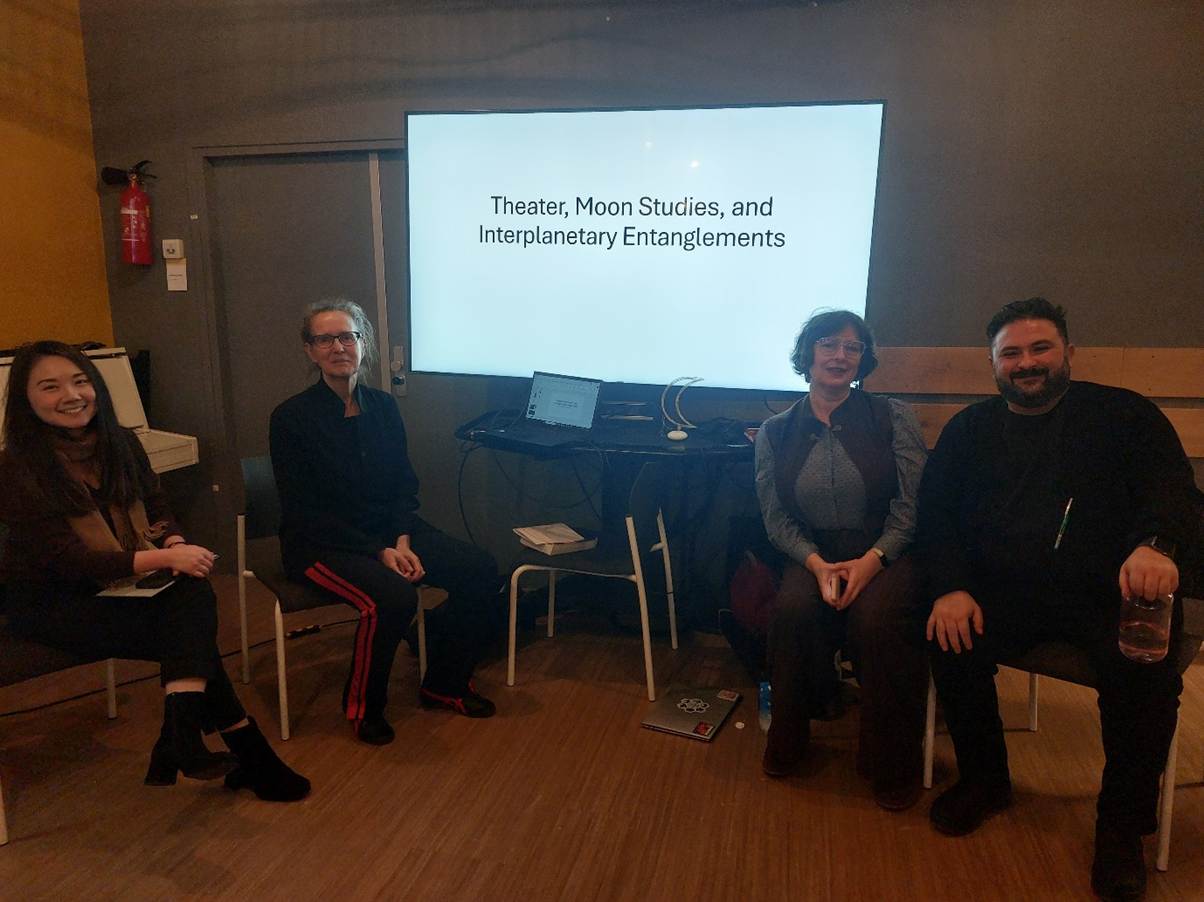
[TiM Recap] “Theater, Moon Studies, and Interplanetary Entanglements” – Vivian Appler (UGA), Felipe Cervera (UCLA), Marjolijn van Heemstra, Xiao-Shan Yap (UU), and Maaike Bleeker (UU)
by Jenny Chan What does it mean to expand theatre studies into space? With this provocation, Maaike Bleeker (Utrecht University) initiated an interdisciplinary and explorative conversation with Felipe Cervera (UCLA), Vivian Appler (University of Georgia), and Xiao-Shan Yap (Utrecht University). The conversation began with the speakers’ individual presentations of their work, followed by an open-floor…
Read more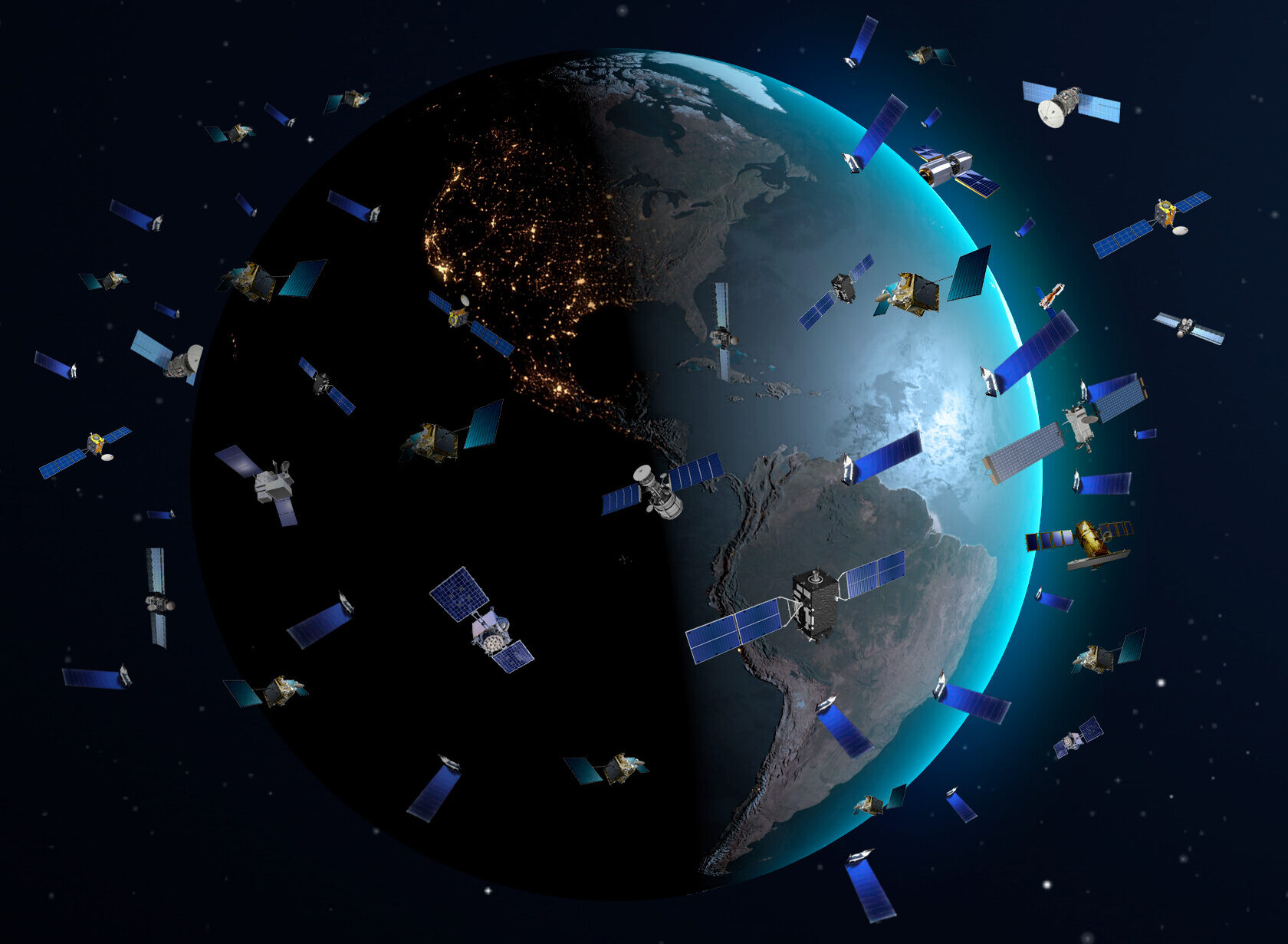
“Outer Space as a Blind Spot” – Margot Van den Eeckhout
During the Transmission in Motion session on “Theater, Moon Studies, and Interplanetary Entanglements,” one sentence, spoken by Dr. Felipe Cervera, immediately activated me: “Why is theatre only about land politics?” The question lingered long after the session ended. It was striking not because it dismissed existing theatrical engagements with geopolitics, but because it exposed a…
Read more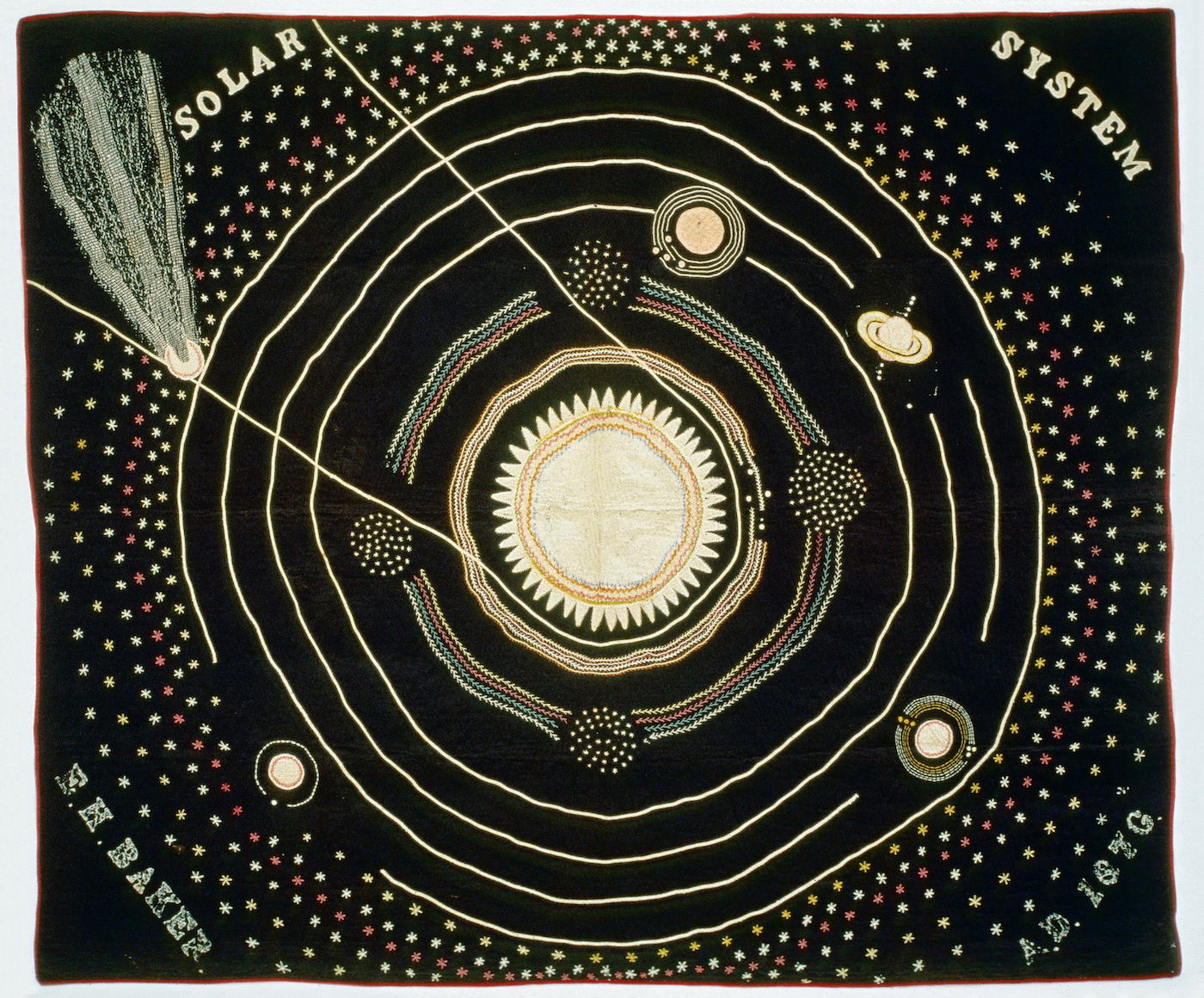
“This Is Not Fiction” – Agata Kok
Treating space as an object of inquiry within the Humanities may initially appear abstract (not to say absurd) – particularly when the focus shifts from science-fiction representations toward outer space itself: that is, toward our concrete interactions with and entanglements in the universe beyond Earth. However, as has been widely demonstrated, performances and performative actions…
Read more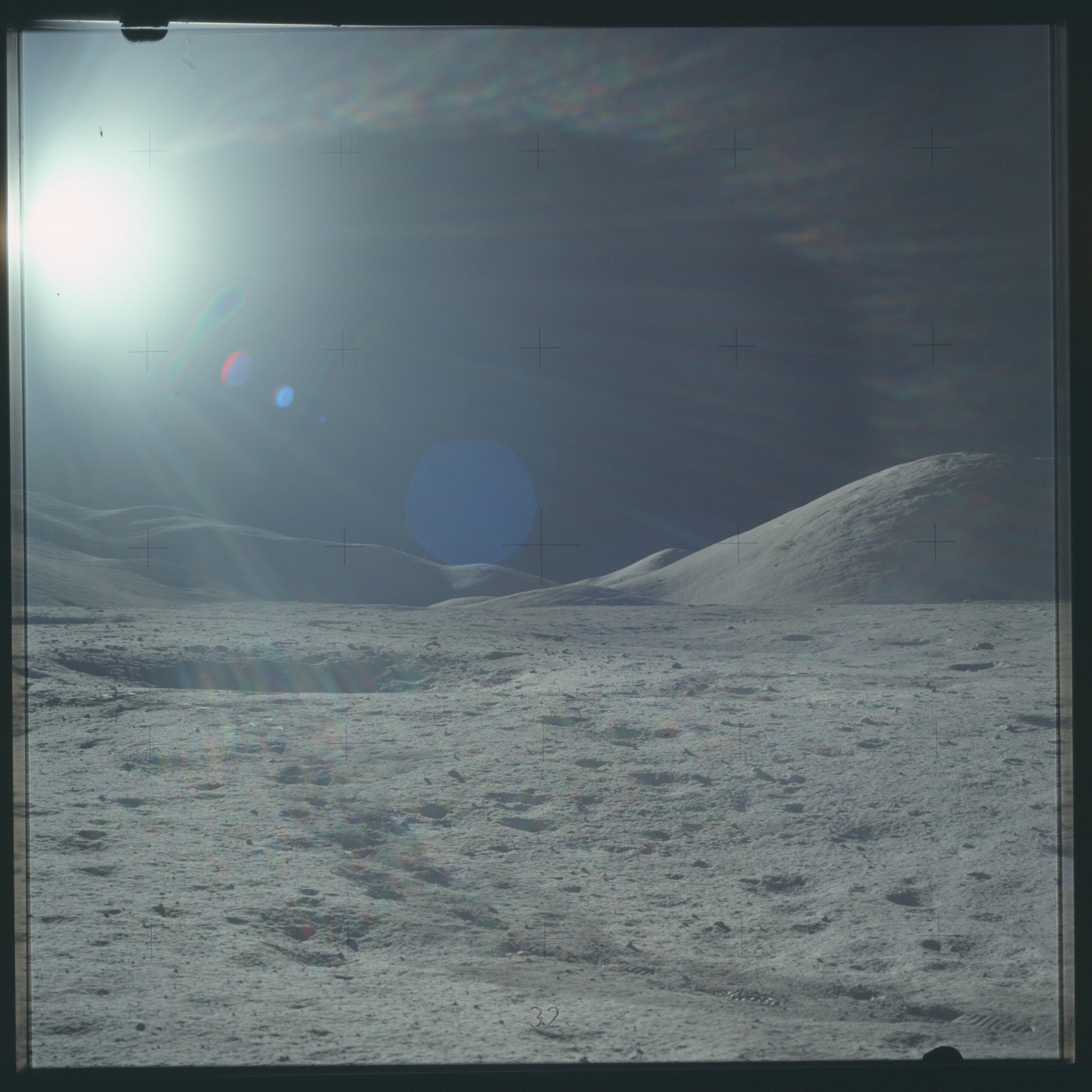
“Inside the Model: Thinking Knowledge through the Orrery” – Jilke van der Kolk
How can a tiny model of the solar system reveal the responsibility involved in knowing? This question stayed with me after the Transmission in Motion seminar on Theatre, Moon Studies, and Interplanetary Entanglements. Planetary knowledge is often imagined as distant, even though it is always grounded in specific materials and forms of mediation. Charles LeDray’s…
Read more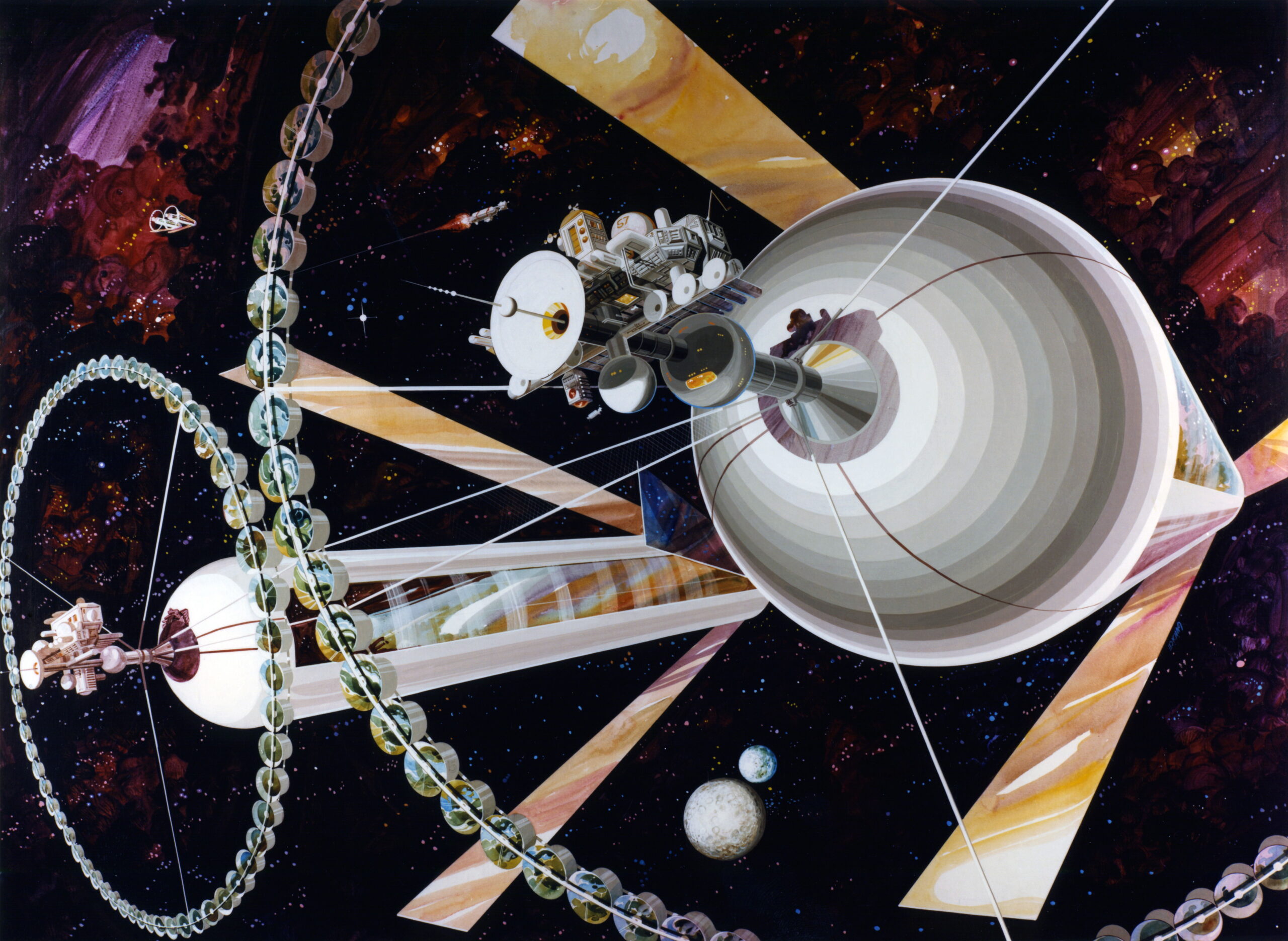
“A Messy Race to Ou(te)r Space” – Thorn Austin
When we hear the word extraterrestrial, we often think of aliens, visitors from another planet, another galaxy, another world. But as humans explore deeper into the vastness of space the question arises, are we not, to some extent, also extraterrestrial? Thinking about ourselves as extraterrestrial beings dissolves the false separation between Earth and outer space…
Read more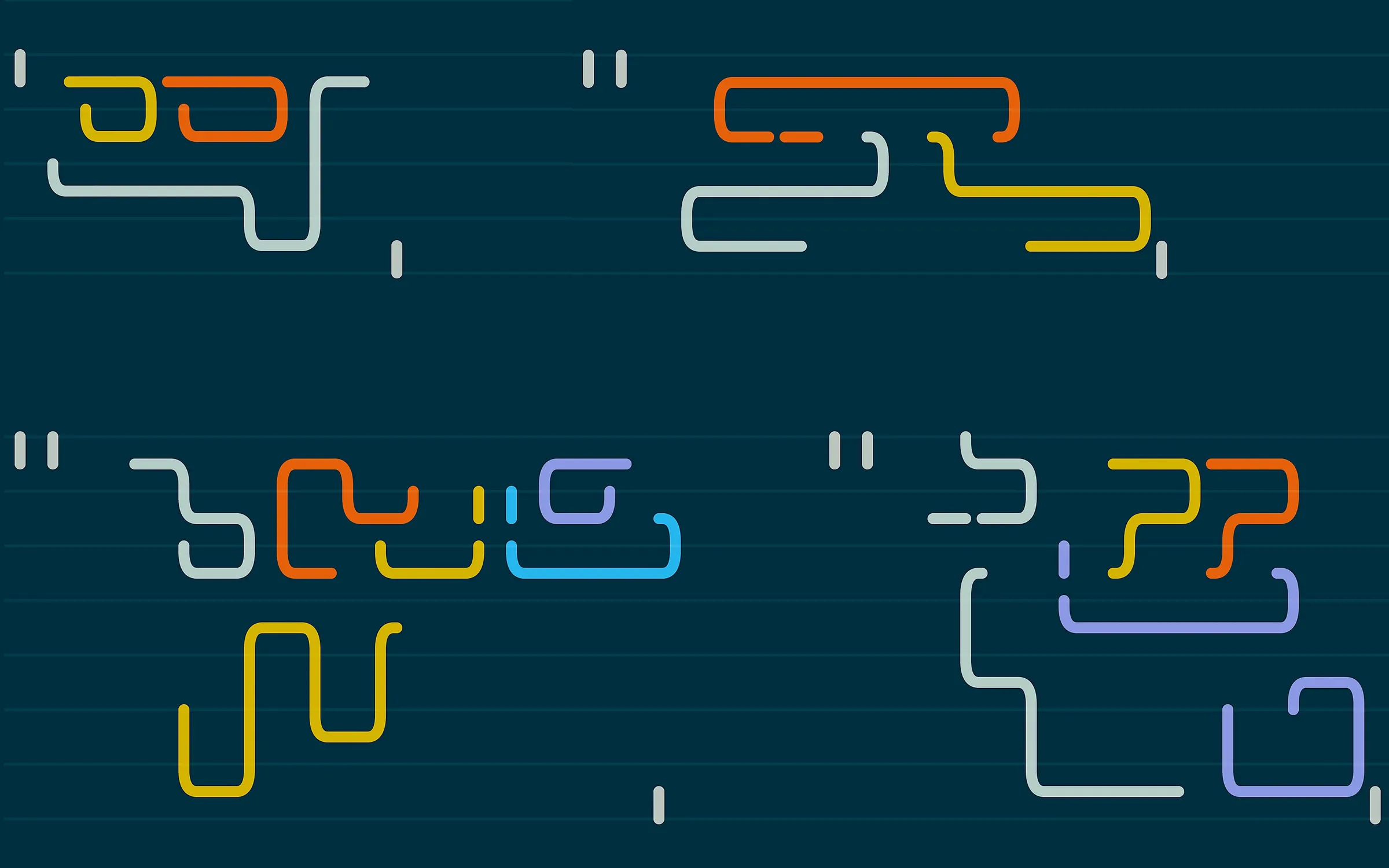
Book Launch—Forty-Four Esolangs: The Art of Esoteric Code with Daniel Temkin
In his new book, Forty-Four Esolangs (MIT Press), Daniel Temkin challenges conventional definitions of language, code, and computer, showing the potential of esolangs—or esoteric programming languages—as pure idea art. The languages in this volume ask programmers to write code in the form of prayer to the Greek gods, or as a pattern of empty folders,…
Read more