
Seminar Blogs
“Imagining Otherwise”—Margot Van den Eeckhout
Discussions of neurodiversity often revolve around recognition and representation. Institutions ask how neurodivergent people can be accommodated for example, and researchers investigate how neurological differences can be better understood. While these questions are undoubtedly important, they still tend to position neurodiversity as an existing condition that requires special management, explanation, inclusion… The approach presented by…
Read more
“Chipping Away at Institutional Brick Walls” — Ani Encheva
How might neurodiversity be practiced intersectionally within educational, performing arts, and visual arts institutions? What “techniques of participation” – that is, techniques that seek to transform the processes through which body-minds are formed – might make it possible for neurodiversity to inhabit a space-time beyond the confines of neurotypical regimes? How might such techniques of…
Read more
“From As If to What If to Activate Hope in and for the Otherwise-Possible” — Ani Encheva
From the as if of the staged world toward the posing of what if questions about that world and other possible worlds – this was the journey that the audience was taken on during the Transmission in Motion seminar “From As If to What If: Simulation and Speculation in Contemporary Dramaturgy” led by Dr. Liesbeth…
Read more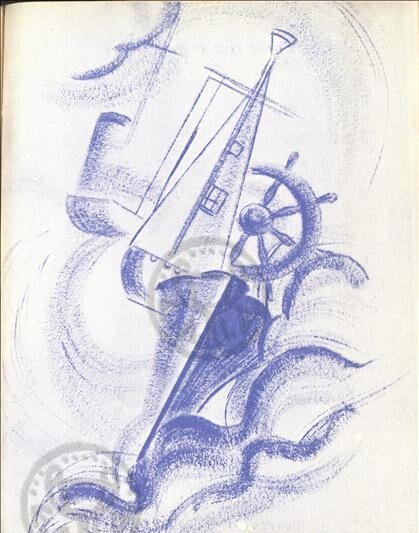
“Rehearsal for the Future” – Thorn Austin
Theatre and performance have always been a gathering space throughout many different cultures and times. This is because historically, theatre has worked as a force that connects people: whether for sharing knowledge between community members, rehearsing future life events or introducing others to a new idea. In this view, performances can be understood not just as…
Read more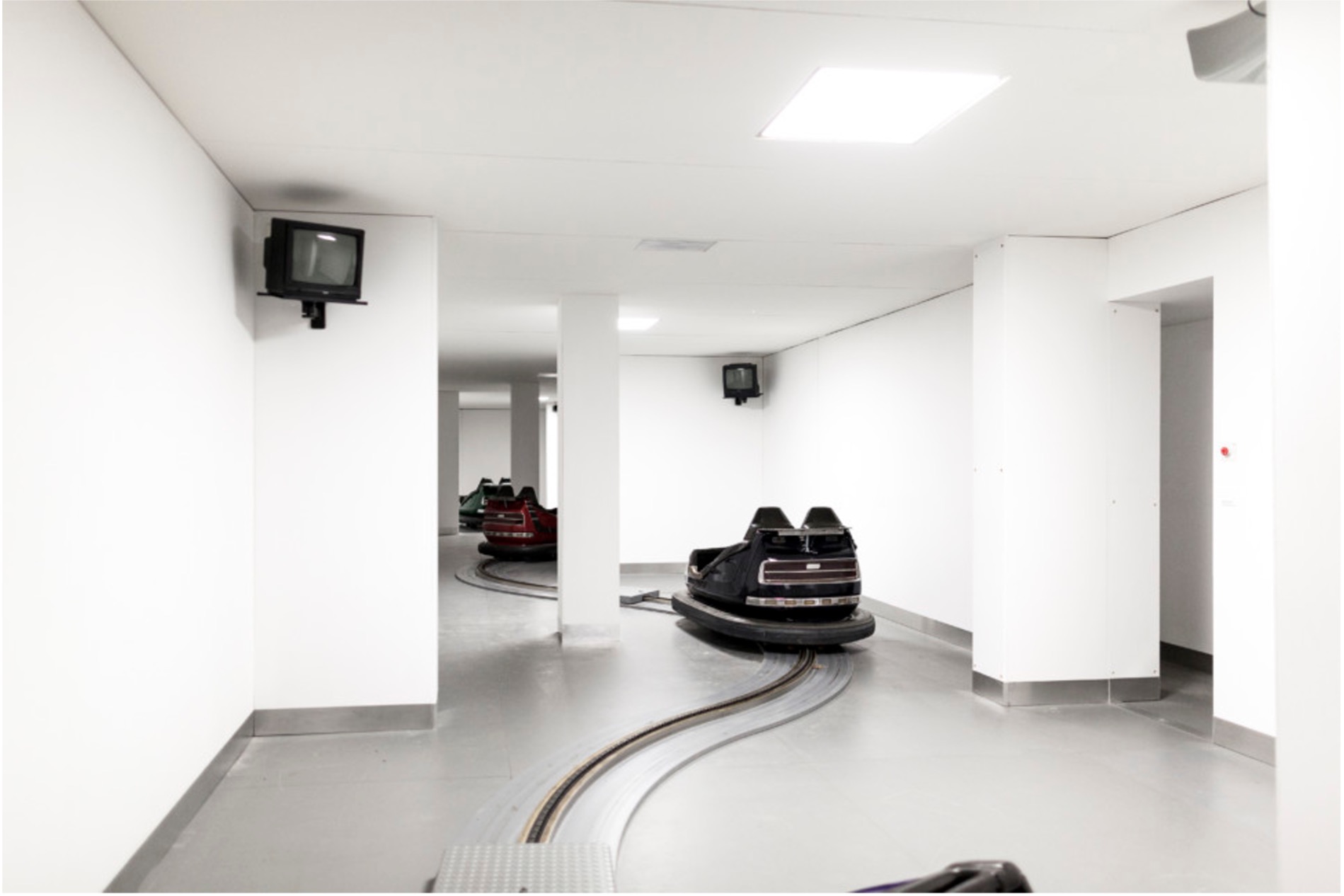
“Phobiarama and the Discomfort of Real Fear” — Margot Van den Eeckhout
In line with the examples cited by Liesbeth Groot Nibbelink and Sigrid Merx during the discussion of their new book, “From As If to What If: Simulation and Speculation in Contemporary Dramaturgy”, I was reminded of Phobiarama by Dries Verhoeven. This performance does not simply present itself as something other than theatre. The performative installation…
Read more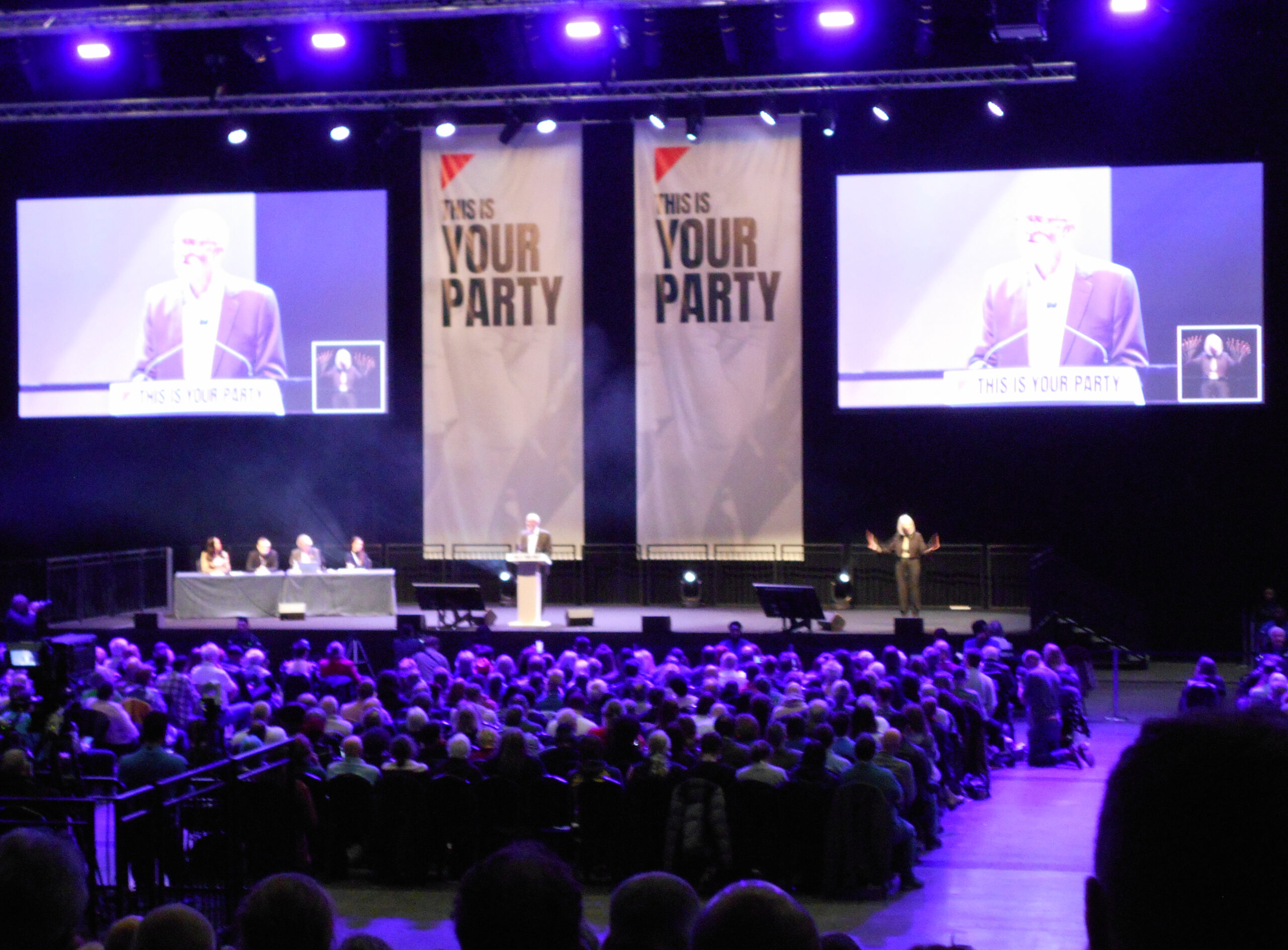
“Unified Estonia and the Performance of Political Reality” — Tom Watkins
What struck me most in the seminar by Liesbeth Groot Nibbelink and Sigrid Merx was not simply the theatricality of Unified Estonia, but the unsettling precision with which it staged the conditions that make political reality believable. Rather than parodying politics from a distance, the project operated as if it were a real political party—complete…
Read more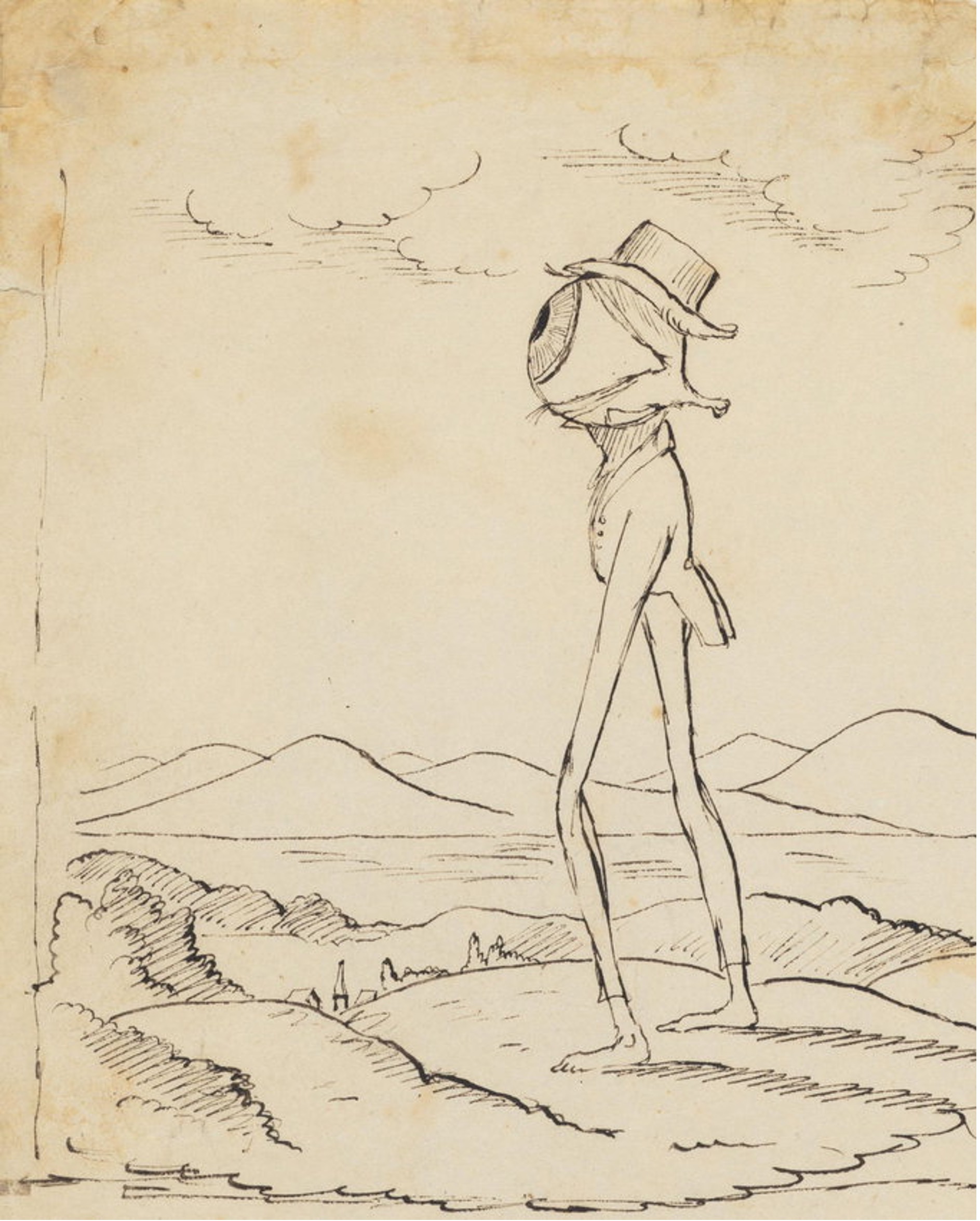
“Against or With Power? Humour, Truth, and Subversion in Contemporary Stand-Up Comedy” — Agata Kok
“If particular comedians are recognized as truth-tellers, does that imply that comedic speech may also lack truth?” (Zijp 2026). This central question, posed by Dr Dick Zijp in the seminar “Navigating Entanglements in Stand-Up Comedy: Humour, Truth-telling, and Situated Knowledges,” identifies a key tension shaping contemporary stand-up comedy: the collision of different “truth-regimes.” Drawing on…
Read more
What “Truth” is told: Satirical Late-night Talk Shows as an Example — Jenny Chan
In his seminar “Humour, Truth-telling, and Situated Knowledges”, Dick Zijp reflected on the truth-telling role of comedians. Zijp first introduced the Foucauldian concept parrhesia, with which comedy practice is associated, meaning “fearless and courageous speech” (Zijp 2026). When applied to contemporary stand-up comedy, it suggests that comedians are parrhesiastes who speak truths via their “liberal…
Read more
“Humor and factual knowledge in De Ideale Wereld” — Margot Van den Eeckhout
During the Transmission in Motion session on humour and truth-telling, Dick Zijp argued that humour does not simply reveal truth but is embedded within what one might call a ‘truth regime’. A set of implicit rules that determine what is considered recognizable or legitimate. Reflecting further on his lecture, I turned to De Ideale Wereld,…
Read more
“Unintentional Truths: Humor, Nature, and Situated Knowledges” — Jilke van der Kolk
At the most recent Transmission in Motion seminar, “Humor and Truth-Telling,” Dick Zijp brought Donna Haraway into dialogue with stand-up comedy. He juxtaposed her framework of situated knowledges, traditionally associated with scientific and ecological inquiry, with the deliberate construction of humor in performance. The parallel is striking. Much like scientists, comedians navigate complex entanglements, but…
Read more