
Documentation
“Outer Space as a Blind Spot” – Margot Van den Eeckhout
During the Transmission in Motion session on “Theater, Moon Studies, and Interplanetary Entanglements,” one sentence, spoken by Dr. Felipe Cervera, immediately activated me: “Why is theatre only about land politics?” The question lingered long after the session ended. It was striking not because it dismissed existing theatrical engagements with geopolitics, but because it exposed a blind spot. Theatre frequently addresses borders, conflicts concerning territories and their politics, yet rarely considers outer space as a political arena. Despite the fact that space is increasingly structured by geopolitical power and becoming a field of economic interests and contested imaginaries.
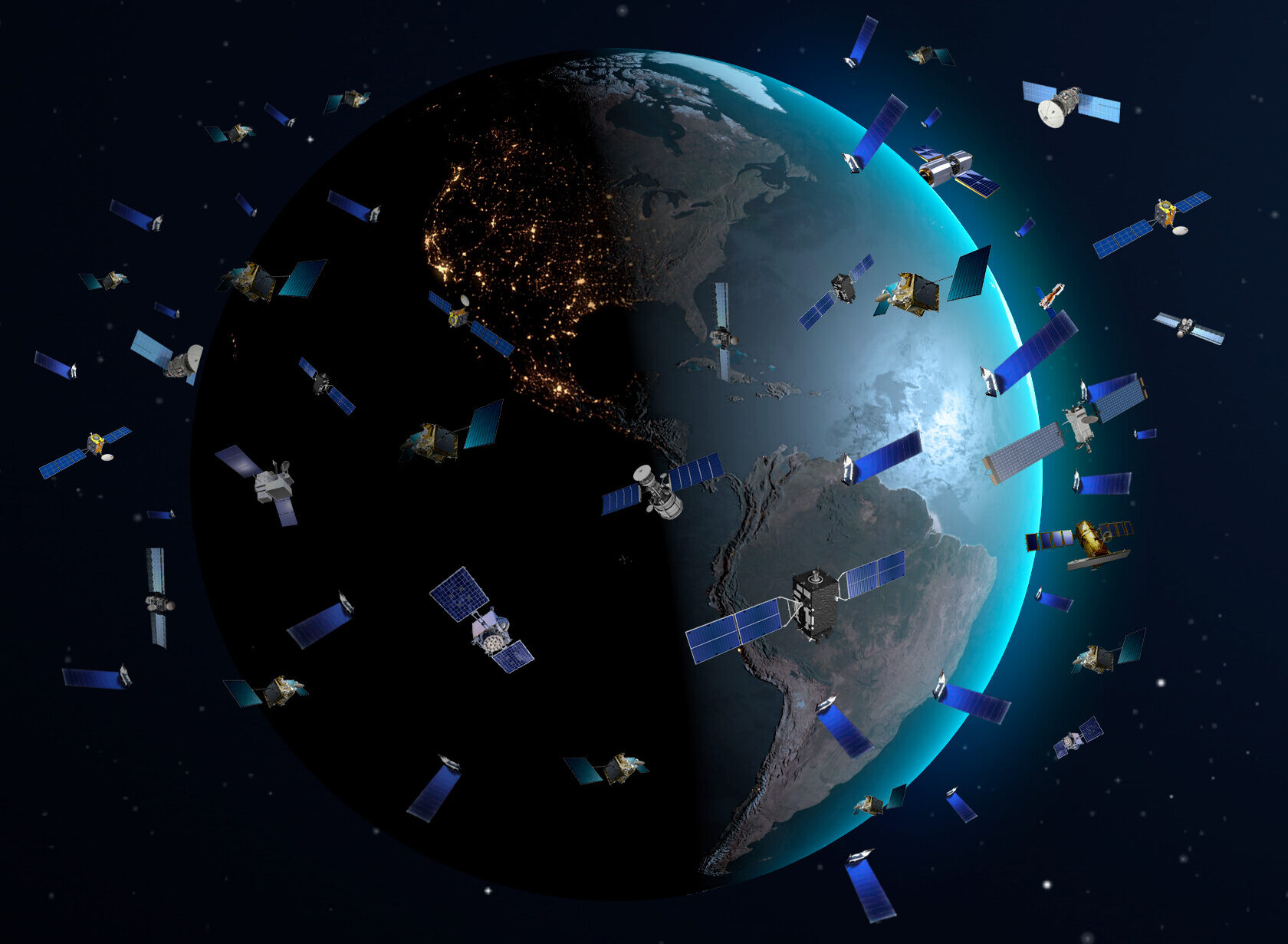
The discussions around the moon and outer space made me clear that it is anything but apolitical. Outer space is structured through infrastructures, treaties, military interests, technological competition, and speculative extraction, that closely mirror colonial histories on Earth. What intrigued me was how little theatre has engaged with these developments, despite the field’s long-standing interest in power and responsibility. And their strength is raising urgent political and ethical questions. One possible explanation lies in theatre’s strong attachment to embodiment and co-presence. Politics in theatre can be understood as something that happens between bodies sharing space. Outer space, by contrast, appears distant, abstract, and technologically mediated. Yet the session repeatedly emphasized that knowledge of space is never disembodied. Astronomy, satellite systems, and space travel rely on instruments that extend human perception, translating distant phenomena into images, data, and narratives. These mediations shape how space is imagined and governed. A second possible reason is the little attention to space geopolitics in mainstream media and news discourse. While it plays a crucial role in contemporary global power relations, they are rarely framed as urgent political issues. Instead, space is often presented either as spectacular achievement or as futuristic curiosity. If geopolitics in space remains largely invisible in public discourse, it is perhaps unsurprising that theatre has not yet fully claimed it as a site of political inquiry.
Toward the end of the session, the words were spoken: “We already lost outer space, but how can we claim it back?” The question summarized the previous discussion about responsibility and intervention to me. Claiming outer space back, in this sense, is not about possession, but about reclaiming it as an ethical domain. Thinking from my own expertise in Theatre studies, art and performance might be able to question and make visible which futures are becoming reality through contemporary space narratives, who’s/what narratives are being excluded and how it could be done differently. But before reaching that point, a more basic question needs to be asked: how can greater attention be drawn to these forms of politics in the first place?
References
Cervera, Felipe, Vivian Appler, Xiao-Shan Yap, and Maaike Bleeker. 2025. “Theater, Moon Studies, and Interplanetary Entanglements.” Transmission in Motion seminar session, Utrecht University, december 3, 2025.